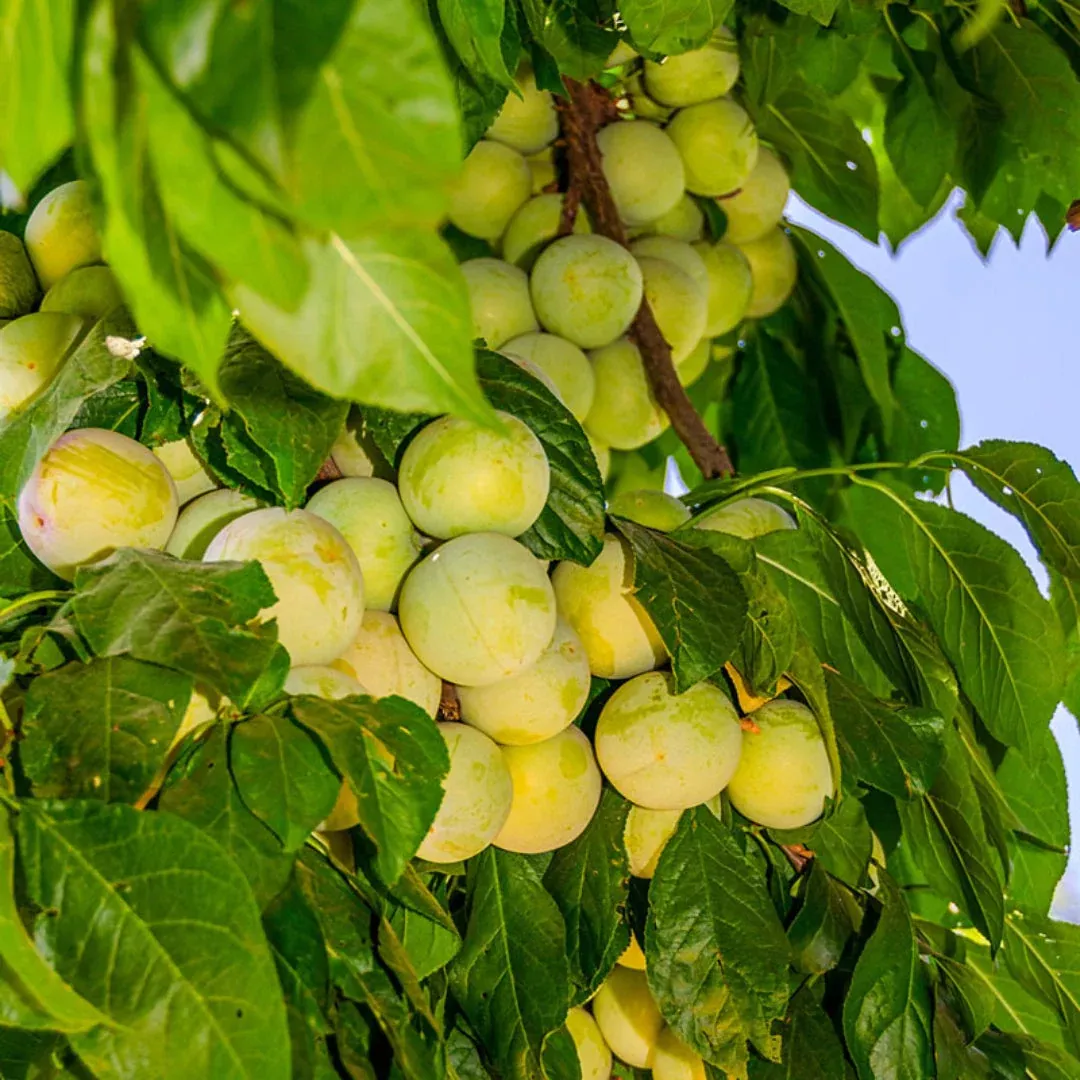


Cleveland Pear Tree
Original price was: $281.59.$184.55Current price is: $184.55.
66 in stock
Description
Cleveland Pear Tree’s Key Characteristics
The Cleveland Pear Tree, known scientifically as Pyrus calleryana ‘Cleveland Select’, is a popular ornamental tree celebrated for its appearance and ease of care. It is prized for its symmetrical, pyramidal shape and glossy, dark green foliage.
In spring, the Cleveland flowering pear tree bursts into white b lossoms, creating a breathtaking display that signals the arrival of the new season. The flowers give way to small, round fruit that is not typically harvested for consumption. Their compact size makes them suitable for various settings, including urban gardens, residential yards, and commercial orchards.
Origin, Growing Conditions, and Optimal Habitat For Cleveland Pear Trees
The pear Cleveland tree, a popular cultivar derived from the Callery pear species. Originating in the United States, specifically from the breeding efforts of researchers at the Cleveland Botanical Garden (CBG), this tree has gained widespread popularity for its exceptional attributes.
As the seasons progress, the foliage transitions to vibrant shades of orange and red in the fall, providing a stunning finale to the year. With a moderate growth rate, the Cleveland pear tree typically reaches heights of 30 to 40 feet and spreads 15 to 20 feet wide at maturity. Additional details for the Cleveland flowering pear tree are given below:
|
Parameter |
Details |
|
Family |
Rosaceae |
|
Growth Habit |
Deciduous tree |
|
Height |
Typically tree grows from 30 to 40 feet (9 to 12 meters) – standard size trees |
|
Lifespan |
20 to 30 years in optimal conditions |
|
Hardiness Zones |
USDA Zones 5 to 9 |
|
Temperature (F) |
Thrives in temperatures between 60°F to 75°F (15°C to 24°C) |
|
pH Range |
6.0 to 7.5 |
|
Sun Exposure |
Full sun |
|
Watering Needs |
Regular watering, especially during dry periods |
|
Pruning Requirements |
Annual pruning to maintain shape and structure |
|
Leaf Color |
Green leaves |
|
Flowering Season |
Early spring to mid-spring |
|
Flower Color |
White flowers |
|
Fruit Ripening Season |
Not applicable (ornamental tree) |
|
Fruit Color |
Not applicable (ornamental tree) |
|
Fruit Flavor |
Not applicable (ornamental tree) |
|
Propagation Methods |
Grafting, budding, or seeds |
|
Variants |
Dwarf pear trees, young pear tree |
|
Breed Segmentation (Pear Varieties) |
Bradford pear, semi dwarf pear, ayers pear tree |
|
Pests and Diseases |
Susceptible to fire blight, pear psylla, and powdery mildew |
|
Best Time to Plant |
Early spring or late fall with root system when the tree is dormant |
|
Soil Type |
Well-drained soil |
|
Growth Rate |
Moderate, Exception – fast growing pears (usually after they bear fruit or when pears ripen) |
|
Special Features |
Profuse white blossoms in spring, vibrant fall foliage, tolerant of urban conditions |
Related products
-
- Sale!
- Fruit Tree
4 In 1 Peach Cocktail Tree, 4 Different Peaches On One Plant
- Original price was: $71.99.$50.16Current price is: $50.16.
- Add to cart
-
- Sale!
- Fruit Tree
Parfianka Pomegranate ( Black Friday Sale )
- Original price was: $39.19.$29.41Current price is: $29.41.
- Add to cart
-
- Sale!
- Fruit Tree
Loring Peach Tree – Large Juicy Yellow Freestone Peach (Prunus persica ‘Loring’)
- Original price was: $96.79.$53.16Current price is: $53.16.
- Add to cart
-
- Sale!
- Fruit Tree
Black Mission Fig Tree – Dark Purple Sweet Classic Fig (Ficus carica)
- Original price was: $43.19.$26.59Current price is: $26.59.
- Add to cart
-
- Sale!
- Fruit Tree
Yates Apple Tree
- Original price was: $219.99.$125.95Current price is: $125.95.
- Add to cart
-
- Sale!
- Fruit Tree
Green Gage Plum Tree Bears Large Crops of Yellowish Green
- Original price was: $100.79.$70.42Current price is: $70.42.
- Add to cart
-
- Sale!
- Fruit Tree
Weeping Pink Cherry Tree
- Original price was: $440.63.$266.06Current price is: $266.06.
- Add to cart
-
- Sale!
- Fruit Tree
Fuyu Japanese Persimmon Tree
- Original price was: $129.59.$84.78Current price is: $84.78.
- Add to cart